
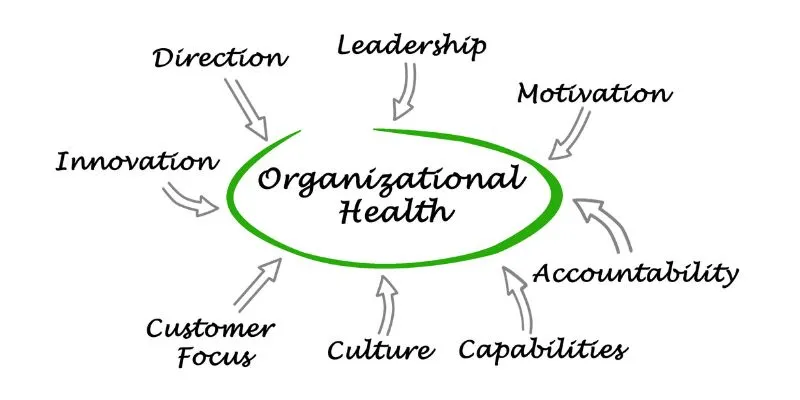
Organizational Leadership Assessment: A Guide to Building Stronger Leaders
Strong leadership plays an important role in the success of every organization. Leaders influence workplace culture, employee engagement, decision-making, communication, productivity, and long-term business growth. However, identifying leadership strengths and development opportunities should not rely only on personal opinions or annual performance reviews. An organizational leadership assessment provides a structured way to understand how leaders perform, how they interact with teams, and where additional development may be beneficial.
An organizational leadership assessment can help businesses evaluate leadership capabilities across different levels of an organization. It may examine communication, strategic thinking, emotional intelligence, decision-making, accountability, adaptability, collaboration, and other leadership behaviors. When used effectively, the results can help organizations develop existing leaders and prepare employees for future leadership responsibilities.
For businesses looking to strengthen their leadership strategy, Northmark Talent Group can provide a thoughtful approach to understanding leadership capabilities and supporting organizational talent development.
1. What Is an Organizational Leadership Assessment?
An organizational leadership assessment is a structured process used to evaluate leadership skills, behaviors, competencies, and potential within a company. It can be used with executives, managers, supervisors, emerging leaders, or teams preparing for future leadership responsibilities.
The assessment may use several methods, including questionnaires, interviews, behavioral assessments, self-evaluations, manager feedback, employee feedback, and structured leadership exercises. Using multiple sources of information can provide a broader picture of leadership performance.
Rather than simply asking whether someone is a “good leader,” an assessment looks at specific competencies. For example, an organization may want to understand how effectively a manager communicates expectations, handles conflict, makes decisions under pressure, delegates responsibilities, or develops employees.
The goal is not simply to identify weaknesses. A well-designed assessment also highlights existing strengths that an organization can build upon.
For example, a manager may demonstrate excellent technical knowledge but need additional support with delegation. Another leader may communicate effectively but need to strengthen strategic planning skills. Understanding these differences allows organizations to create more targeted development plans.
2. Why Organizational Leadership Assessments Matter
Leadership challenges can have a direct effect on employee performance and organizational results. When leaders lack clarity, communication, or accountability, employees may experience confusion about priorities and expectations.
An organizational leadership assessment can provide useful information for addressing these challenges.
One major benefit is greater self-awareness. Leaders may not always recognize how their communication style or decision-making approach affects others. Feedback from different sources can reveal patterns that may otherwise remain unnoticed.
Assessments can also support leadership development. Instead of providing the same training to every manager, organizations can identify specific areas where individual leaders need support.
Another benefit is succession planning. Companies need to know which employees may be prepared to take on greater responsibilities in the future. Leadership assessments can contribute useful information when identifying development needs and potential leadership candidates.
Assessments can also help organizations create greater consistency. When leadership expectations are clearly defined, managers can be evaluated against relevant competencies rather than vague expectations.
For Northmark Talent Group, leadership assessment is part of a broader talent-focused approach that can help organizations better understand their people and build stronger leadership capabilities.
3. Key Areas Evaluated in a Leadership Assessment
Every organization has different leadership requirements, so an assessment should reflect the company's goals, culture, industry, and leadership structure. However, several competencies are commonly relevant.
Communication
Effective leaders need to communicate expectations, priorities, feedback, and organizational goals clearly. An assessment may examine whether leaders listen effectively, adapt communication to different audiences, and encourage open dialogue.
Strategic Thinking
Leaders must often look beyond immediate tasks and consider long-term organizational objectives. Strategic thinking includes recognizing opportunities, understanding risks, setting priorities, and connecting daily decisions with broader business goals.
Decision-Making
Leadership involves making decisions with incomplete information and managing the consequences. Assessments may examine how leaders evaluate information, consider alternatives, manage risk, and take responsibility for outcomes.
Emotional Intelligence
Emotional intelligence can influence how leaders manage relationships and respond to workplace challenges. Areas may include self-awareness, empathy, relationship management, and emotional regulation.
Accountability
Strong leadership requires taking responsibility for decisions and commitments. Assessments can explore whether leaders establish clear expectations, follow through on responsibilities, and address performance issues appropriately.
Adaptability
Organizations regularly experience changes in technology, customer expectations, market conditions, and internal priorities. Leaders who can adjust their approach while keeping teams focused can be valuable during periods of change.
Employee Development
Leadership is not only about completing business objectives. Managers also play an important role in helping employees develop their skills. An assessment may examine coaching, delegation, mentoring, recognition, and career development practices.
4. How the Organizational Leadership Assessment Process Works
A leadership assessment should follow a structured process so that the results are meaningful and useful.
The first step is usually to define the purpose of the assessment. An organization might be assessing leadership capabilities as part of succession planning, leadership development, organizational change, or management improvement.
Next, the organization can identify the leadership competencies that matter most. These competencies should connect to the company's strategy and workplace expectations.
The assessment method is then selected. Depending on the organization's needs, this could involve leadership questionnaires, interviews, 360-degree feedback, behavioral assessments, simulations, or a combination of approaches.
After information is collected, the results can be reviewed to identify patterns. For example, an organization may discover that several managers demonstrate strong technical expertise but have similar development needs around delegation and employee coaching.
The final stage is turning assessment results into an actionable development plan.
A development plan might include leadership coaching, training, mentoring, stretch assignments, peer learning, or regular progress reviews. The objective is to make the assessment part of an ongoing leadership development process rather than a one-time activity.
5. Turning Assessment Results Into Leadership Development
An assessment only creates value when organizations use the findings effectively. Simply giving leaders a report without follow-up may not lead to meaningful improvement.
Organizations can begin by identifying a small number of priority development areas. Trying to improve every leadership competency at once can make development difficult to manage.
For example, a manager whose assessment indicates a need for stronger delegation could work on assigning responsibilities more clearly, establishing appropriate checkpoints, and allowing employees greater ownership.
Another leader may need to improve strategic thinking. Their development plan could include participation in strategic planning sessions, exposure to cross-functional projects, or mentoring from a senior executive.
Regular follow-up is also important. Organizations can establish measurable goals and review progress over time. This helps leaders understand whether new behaviors are becoming part of their normal leadership approach.
Leadership development should also recognize strengths. A leader's existing capabilities can become resources for developing other skills. Someone with strong communication abilities, for example, may use that strength while learning more effective conflict-management techniques.
Northmark Talent Group can help organizations take a practical approach to leadership development by connecting assessment insights with broader talent strategies.
6. Using Leadership Assessments for Long-Term Organizational Growth
Leadership assessment should not be viewed only as an individual development exercise. The information gathered can also provide insight into broader organizational needs.
If multiple leaders demonstrate the same development gap, the organization may need a broader leadership program rather than individual coaching alone.
For example, if managers across departments struggle with employee feedback, the organization could introduce a company-wide manager development initiative focused on coaching and performance conversations.
Leadership assessments can also support succession planning. Organizations can use assessment information alongside experience, performance history, career goals, and development progress when preparing employees for future responsibilities.
Another important use is organizational change. During periods of growth, restructuring, or expansion, leadership expectations may change. An assessment can help identify whether current leaders have the competencies required for the organization's next stage.
Over time, organizations can repeat assessments or use other feedback methods to monitor progress. This creates a continuous cycle of assessment, development, application, and review.
The result is a more intentional approach to leadership. Instead of waiting for leadership problems to become visible, organizations can proactively identify development opportunities and prepare their people for future challenges.
Conclusion
An organizational leadership assessment can give businesses a structured way to understand leadership strengths, identify development opportunities, and support stronger organizational performance. By examining areas such as communication, strategic thinking, decision-making, accountability, adaptability, emotional intelligence, and employee development, organizations can create a clearer picture of their leadership capabilities.
The most effective approach is not to treat an assessment as a simple test or one-time exercise. Assessment results should become part of an ongoing leadership development strategy that includes coaching, training, feedback, measurable goals, and regular follow-up.
For organizations seeking to strengthen their leadership pipeline and make more informed talent decisions, Northmark Talent Group can support a structured, people-focused approach to leadership development. With the right assessment process and a commitment to continuous improvement, organizations can help current and emerging leaders build the capabilities needed to support their teams and contribute to long-term business goals.